Understand how marketing analytics and business intelligence differ, when to use each, and which approach helps your business make better decisions.
Your marketing reports show clicks, leads and campaign performance. Your business reports show revenue, costs and profitability. But which one tells you whether your business is actually growing?
Marketing analytics measures how your campaigns and channels perform, while business intelligence (BI) analyses data across your whole organisation to support broader decisions. Both are forms of data-driven decision making, but they answer different questions. For smaller businesses, the challenge is choosing useful reporting without paying for complexity you do not need. The right starting point depends on the decisions you are actually trying to make, which is where AI-powered marketing analytics often fits first.
Marketing Analytics vs Business Intelligence: The Key Difference
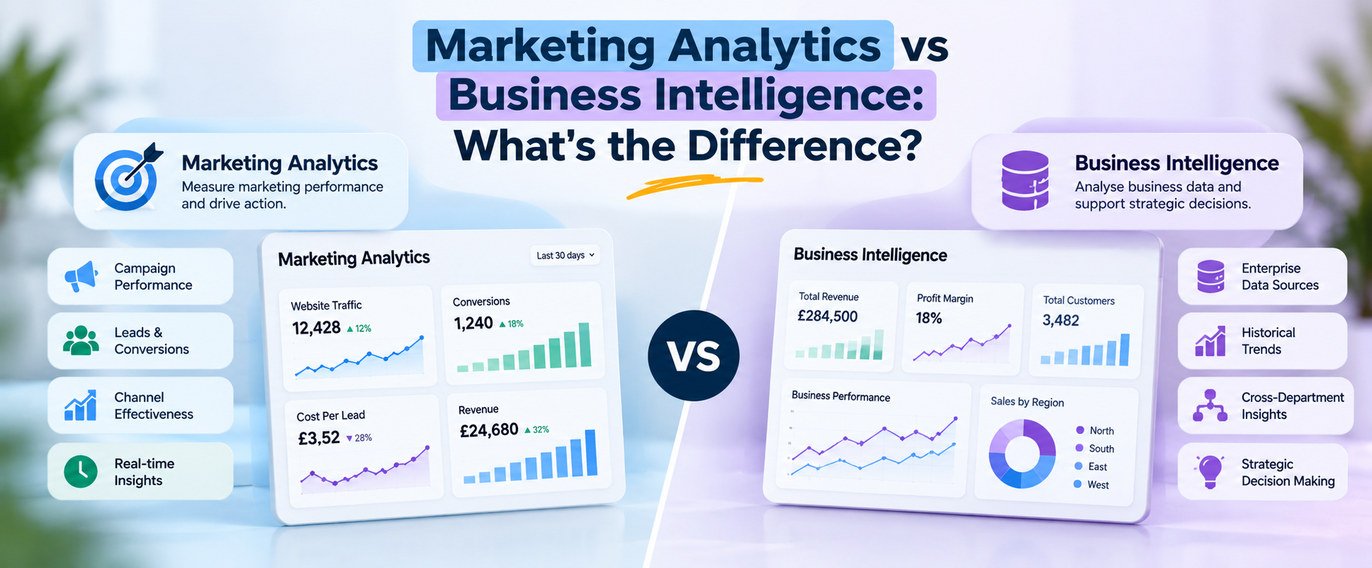
Marketing analytics focuses specifically on marketing performance, while business intelligence covers performance across the whole business, including finance, sales and operations. Marketing analytics tells you which campaigns work. BI tells you how those results fit into overall company performance.
What Is Marketing Analytics?
Marketing analytics is the measurement and analysis of marketing performance data. It focuses on customer acquisition, campaigns, conversions and marketing return on investment.
Typical data sources include Google Ads, Google Analytics, SEO tools and social media platforms. For example, marketing analytics helps a business identify which campaign produces the most qualified leads, not just the most clicks.
What Is Business Intelligence (BI)?
Business intelligence is the broader process of analysing business data to support organisational decisions. It typically spans finance, sales, operations, inventory and customer performance, not just marketing.
For example, BI helps a business evaluate revenue, operating costs and profitability across different departments or product lines. It is less concerned with a single campaign and more concerned with the health of the whole business.
Marketing analytics concentrates on marketing effectiveness, while business intelligence provides a wider view of organisational performance. The two overlap and can genuinely complement each other, a distinction covered further in Trufelo’s AI marketing analytics glossary.
Marketing Analytics vs Business Intelligence: Side-by-Side Comparison
The table below summarises the core differences between marketing analytics and business intelligence.
| Comparison factor | Marketing analytics | Business intelligence |
| Primary focus | Marketing performance | Overall business performance |
| Main objective | Improve campaigns, conversions and marketing returns | Support broader strategic and operational decisions |
| Data sources | SEO, advertising, social media, web analytics, CRM | Finance, sales, operations, inventory, CRM and marketing |
| Typical KPIs | Leads, conversion rate, CPA, ROAS | Revenue, profit margin, operating costs, sales performance |
| Main users | Marketers, agencies, business owners | Executives, finance, operations and business analysts |
| Typical questions | Which campaign generates customers? | Which business activities are most profitable? |
| Reporting | Campaign and channel performance | Cross-departmental performance |
| Scope | Marketing-specific | Organisation-wide |
Many BI systems can include marketing analytics data as one input among several. Specialised marketing tools, however, generally offer far more detailed, channel-specific reporting than a general BI platform provides on its own.
How Marketing Analytics and Business Intelligence Work in Practice
Marketing Analytics Example: Improving Google Ads Performance
Consider a business running paid search campaigns. Marketing analytics helps the team:
- Identify winning campaigns: See which campaigns generate genuine enquiries, not just clicks.
- Compare efficiency: Review conversion rates and acquisition costs side by side.
- Check returns: Confirm whether advertising spend produces sufficient results.
- Adjust with evidence: Reallocate budget based on performance data, not guesswork.
Tools built for this, such as a dedicated Google Ads reporting tool, make this process far faster than manually exporting platform data.
Business Intelligence Example: Understanding Overall Profitability
Using the same business, BI answers a different set of questions. It helps the team:
- Review total revenue: Compare income across products or service lines.
- Weigh costs against sales: Set revenue against operational costs.
- Spot strong margins: Identify which business areas are genuinely the most profitable.
- Assess broader health: Evaluate profitability beyond any single marketing channel.
Why Combining Both Perspectives Can Be Valuable
Marketing analytics may show that a campaign is generating sales. BI can then confirm whether those sales actually contribute positively to overall profitability, once costs are accounted for. Used together, the two give a fuller picture than either provides alone.
When Should a Business Use Marketing Analytics?
When You Need to Understand Marketing ROI
Marketing analytics is the right choice when you need to know which channels contribute to leads and revenue. It helps you compare advertising spend with results and investigate why conversions might be declining.
When You Manage Multiple Marketing Channels
Businesses running SEO, Google Ads, Facebook and website campaigns often juggle disconnected dashboards. Marketing analytics brings these together so you can compare performance and reduce manual reporting.
- SEO performance: Tools like SEO analytics software show how organic search contributes to leads and conversions.
- Social performance: A dedicated Facebook reporting software clarifies which social campaigns produce meaningful outcomes.
- Combined view: Seeing channels side by side removes guesswork about where budget works hardest.
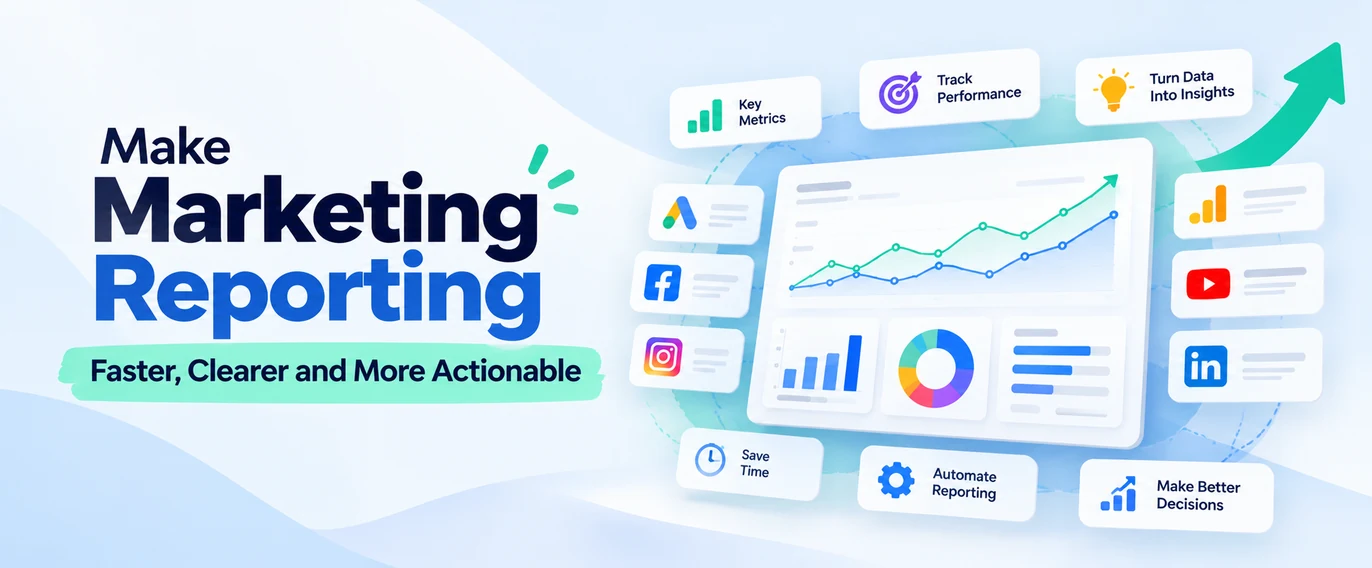
When You Need Faster Marketing Reports
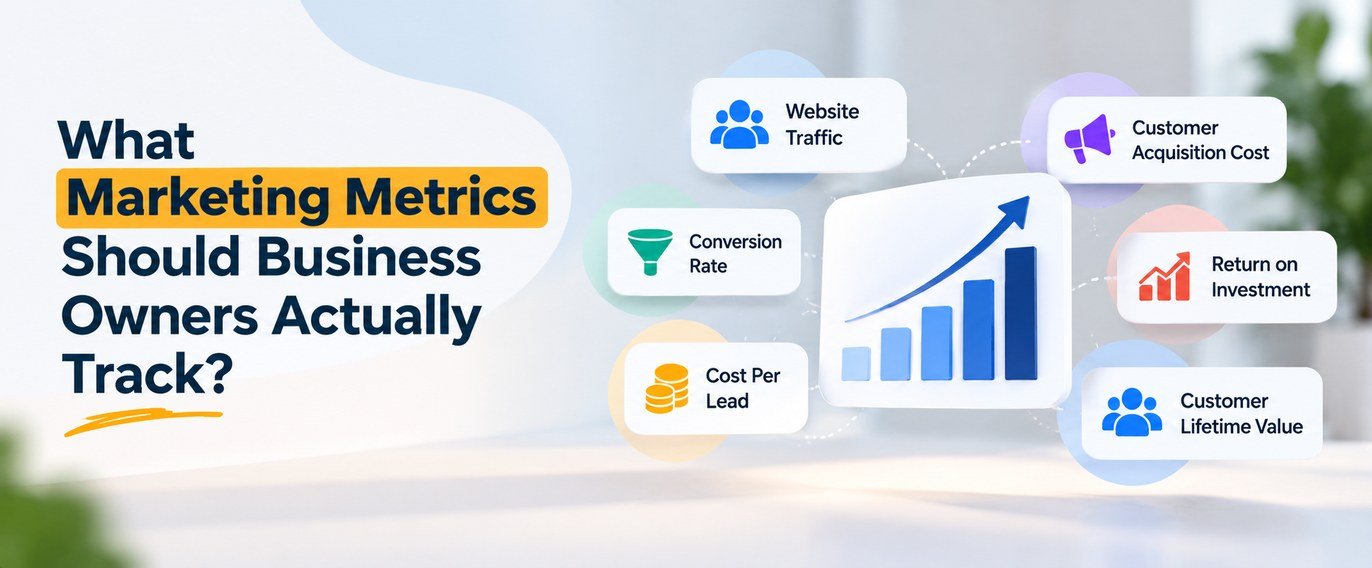
Marketing analytics supports regular KPI monitoring and easier stakeholder updates. It reduces the time spent preparing manual spreadsheets, a point explored further in Trufelo’s guide to marketing metrics business owners should track.
When Is Business Intelligence the Better Choice?
When Decisions Depend on Multiple Departments
BI suits situations where sales, finance, operations and inventory data all need to inform a single decision, such as pricing changes or stock planning.
When You Need Company-Wide Financial Visibility
BI helps organisations compare performance across business units, products or regions, giving leadership a consistent view of financial health beyond marketing alone.
When Your Business Has Complex Data Requirements
Larger reporting needs, such as data warehouses, enterprise reporting and formal data governance, generally call for BI systems built for that scale. That said, BI is not only for large companies. Smaller businesses can benefit from BI when their reporting genuinely requires it.
Can Marketing Analytics and Business Intelligence Work Together?
Connecting Marketing Results to Business Outcomes
Marketing-generated leads become sales opportunities, and eventually customers. Revenue and cost data from BI add context that marketing data alone cannot provide. This only works well when both systems use consistent definitions and reliable data.
Example: A Campaign That Generates Revenue but Limited Profit
A campaign might show a strong return on ad spend (ROAS), appearing highly successful in marketing analytics. Once fulfilment costs, discounts and overheads are factored in through BI, the same campaign may deliver only modest overall profit. Strong ROAS does not automatically mean strong business profitability.
Marketing analytics helps explain how customers are acquired. BI helps explain how those customers affect the wider business.
Which Is Better for Small Businesses: Marketing Analytics or BI?
Choose Marketing Analytics If Your Priority Is Customer Acquisition
This suits businesses where the immediate challenge is understanding advertising performance, website conversions, leads or marketing ROI.
Consider BI If You Need Broader Operational Insights
This suits businesses where decisions depend on consolidated financial, sales and operational information across the company.
Use Both When Your Reporting Needs Expand
Businesses do not need to implement two complex systems at once. Start with the most pressing reporting need, then expand as the business grows.
- Need to improve campaign results? Start with marketing analytics.
- Need to evaluate overall operational profitability? Consider BI.
- Need to connect acquisition performance with company-wide results? Consider both.
How AI Is Changing Marketing Analytics and Business Intelligence
Making Complex Data Easier to Interpret
AI tools now offer plain-language explanations of performance changes, flag unusual patterns, and allow faster answers through conversational analytics rather than manual report building.
From Static Reports to More Actionable Insights
AI can assist with interpreting results and surfacing what matters most in a report. Reliable underlying data and human judgement still remain essential, since AI interprets the data it is given rather than replacing the need for accurate tracking. Tools such as an AI-powered marketing reporting software are built around this principle.
How to Choose the Right Analytics Solution for Your Business
Start With the Decisions You Need to Make
Identify whether your priority is marketing optimisation, operational performance, or both before evaluating any tool.
Review Your Data Sources and Reporting Requirements
Consider existing systems, integrations, how often you need reports, and the level of detail required to make decisions confidently.
Consider Usability, Automation and Cost
Weigh the learning curve against the time saved. A simpler Google Analytics alternative tool can often interpret website data more clearly than a complex platform that requires specialist training.
Choose a Solution That Matches Your Business Size and Goals
A more complicated analytics system is not automatically a better one. The right solution is the one that answers your actual questions without unnecessary overhead.
How Trufelo Studio Helps Businesses Understand Marketing Performance
Understand Marketing Data Across Multiple Channels
Trufelo Studio brings supported advertising, social media and website data together in one reporting environment, part of its unified marketing analytics solutions.
Simplify Reporting With AI-Powered Insights
Its AI Data Analyst explains performance changes in plain English and generates automated reports, cutting down time spent building updates manually.
Focus on Marketing Decisions That Support Business Growth
This connects directly to understanding acquisition costs, conversions and campaign profitability, the exact metrics marketing teams need to act on confidently.
Marketing analytics and business intelligence both help businesses make better decisions, but they answer different questions. While BI provides a broader view of organisational performance, marketing analytics helps you understand which campaigns, channels and activities are driving results. Trufelo Studio makes that marketing data easier to understand, helping business owners and marketers focus on insights they can act on.
Explore Trufelo Studio to see how AI-powered marketing analytics can simplify reporting and support more informed marketing decisions.
Frequently Asked Questions About Marketing Analytics and Business Intelligence
What is the main difference between marketing analytics and business intelligence?
Marketing analytics measures marketing performance, such as campaigns and conversions. Business intelligence analyses data across the whole organisation, including finance, sales and operations, to support wider business decisions.
Is marketing analytics a part of business intelligence?
Marketing analytics can feed into a wider BI system as one data source among several. On its own, however, it is a specialised discipline focused specifically on marketing performance, not a replacement for full BI.
Can small businesses benefit from business intelligence?
Yes. Small businesses can benefit from BI once their reporting needs genuinely require consolidated financial, sales and operational data, not only when they reach a certain size.
Which is better for tracking marketing ROI?
Marketing analytics is generally better suited to tracking marketing ROI, since it focuses specifically on campaign costs, conversions and channel-level returns.
Can marketing analytics and BI tools work together?
Yes. Many businesses use marketing analytics to understand campaign performance and BI to understand how that performance affects overall company profitability, provided both use consistent data definitions.
Do businesses need both marketing analytics and business intelligence?
Not necessarily straight away. Many businesses start with whichever reporting need is most urgent, usually marketing analytics, then add BI as operational reporting needs grow.

Trufelo Studio is an AI-powered analytics and marketing intelligence platform dedicated to helping businesses understand their digital performance through clear insights, automated reporting, and data-driven strategies. Our content is focused on simplifying analytics, SEO, advertising, and marketing for growing businesses.